Are sports injuries the unavoidable cost of an active lifestyle, or can strategic prevention minimise their occurrence? From the smallest ankle sprain to the more crippling knee meniscus tear, sports injuries can derail an athlete’s performance and sideline even the most dedicated sportsperson. Fortunately, understanding effective prevention and recovery solutions can reduce this risk significantly. This article explores common sports injuries, their symptoms, and a comprehensive guide on prevention strategies and recovery processes—empowering athletes to maintain peak performance while ensuring swift recovery from setbacks.
Understanding Common Sports Injuries
Sports injuries are prevalent among athletes of all levels, often resulting in significant downtime and impacting their performance. These injuries occur due to various factors, such as overuse, inadequate warm-up, or poor technique, and they can affect different parts of the body. The shoulder, knee, and ankle are particularly susceptible due to their critical roles in movement and the frequent stress placed on them during athletic activities. The impact of such injuries extends beyond physical pain, often affecting an athlete’s career trajectory and mental well-being.
- Rotator Cuff Injuries: Affect the shoulder joint.
- Osgood Schlatter Disease: Impacts the knee joint.
- Ankle Sprains: Involves the ankle joint.
- Plantar Fasciitis: Affects the foot region.
- Patella Tendinitis: Impacts the knee joint.
- Golfer’s Elbow: Involves the elbow joint.
Typical symptoms of these injuries include pain, swelling, and reduced mobility. For instance, a rotator cuff injury may result in shoulder pain and weakness, making it difficult to lift the arm. Ankle sprains often cause swelling and bruising, affecting the ability to walk or run. Recognising these symptoms early is crucial for seeking timely medical intervention, which enhances the chances of a full recovery and minimises the risk of long-term complications.
Symptoms and Diagnosis of Sports Injuries
Common symptoms of sports injuries include pain, swelling, and a reduced range of motion. These symptoms often signal damage to muscles, ligaments, or bones, requiring prompt attention. For instance, pain might be sharp or throbbing, depending on the nature of the injury. Swelling is typically a result of inflammation, indicating the body’s response to tissue damage. A reduction in range of motion can highlight issues such as joint stiffness or muscle weakness, which are prevalent in injuries like sprains or tendonitis.
| Symptom |
Possible Injury |
| Persistent pain |
Stress fracture |
| Swelling |
Ankle sprain |
| Stiffness |
Tendonitis |
| Bruising |
Muscle tear |
| Weakness |
Rotator cuff injury |
Accurate diagnosis is crucial for effective treatment of sports injuries. This process often begins with a physical examination, where a healthcare professional assesses the affected area for visible signs and palpates for tenderness. Imaging techniques, such as X-rays or MRIs, provide detailed insights into the internal structures, identifying fractures or soft tissue damage. In some cases, arthroscopy— a minimally invasive surgical procedure—allows for direct visualisation of joint conditions. Employing these diagnostic methods ensures a comprehensive understanding of the injury, guiding appropriate treatment strategies.
Treatment Options for Sports Injuries
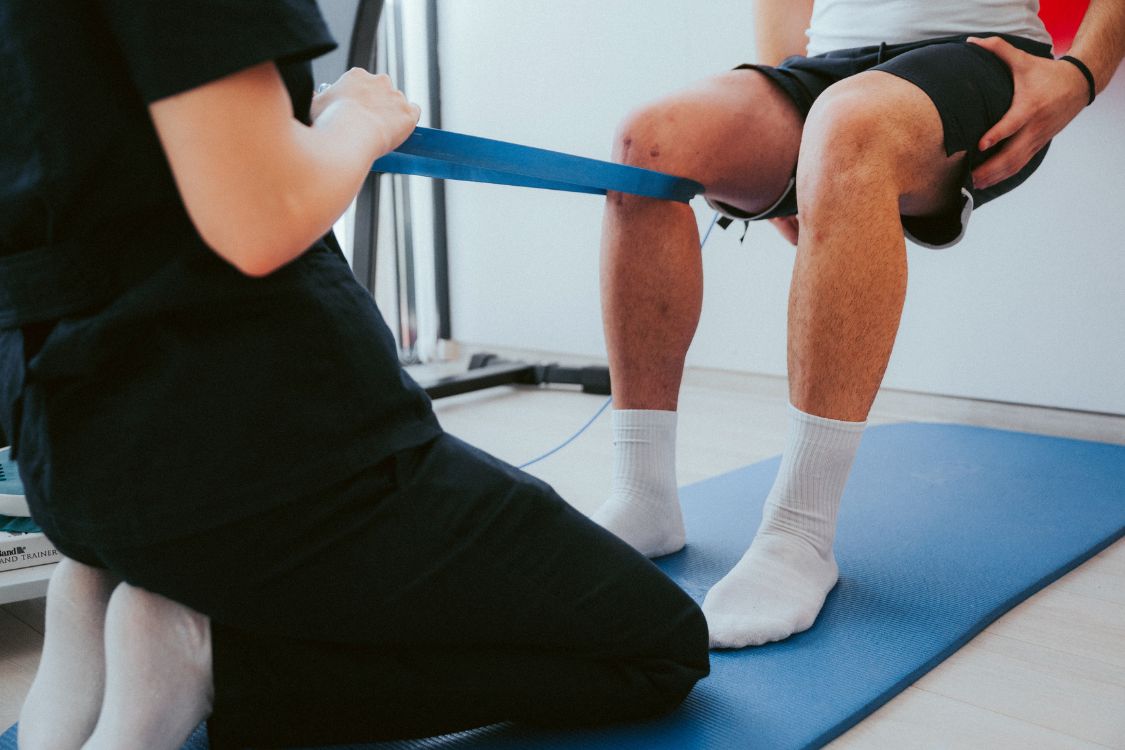
Initial treatment of sports injuries often begins with the RICE method, which stands for Rest, Ice, Compression, and Elevation. This approach is effective in reducing swelling and pain immediately after an injury occurs. Rest is essential to prevent further damage, while ice application helps to constrict blood vessels, reducing inflammation. Compression with bandages or wraps minimises swelling, and elevating the injured area above heart level aids in decreasing swelling by promoting venous return. Pain management may also involve the use of topical NSAIDs, which alleviate acute pain without systemic side effects.
- Physiotherapy: Utilises exercises and manual therapy to restore function and mobility.
- Shockwave Therapy: Employs sound waves to relieve pain in chronic tendon disorders.
- Dry Needling: Involves inserting fine needles into muscles to relieve pain and tension.
- Acupuncture: A traditional method using needles to stimulate specific points for pain relief.
- Manual Therapy: Focuses on hands-on techniques to improve joint and soft tissue movement.
Surgical intervention may be necessary for severe injuries that do not respond to conservative treatments. This includes cases such as complete ligament tears, fractures, or severe joint dislocations. Surgery aims to repair or reconstruct damaged structures, facilitating the return to pre-injury activity levels. Post-surgery, ongoing therapy is crucial for a successful recovery, involving a combination of physiotherapy and strength training to ensure optimal healing and prevent future injuries. The integration of these therapies supports the restoration of strength and function, ultimately enhancing the athlete’s ability to return to their sport safely.
Prevention Strategies for Sports Injuries
Preventing sports injuries is crucial for athletes aiming to maintain peak performance and avoid downtime. Effective injury prevention strategies not only enhance athletic longevity but also support overall physical health. A primary focus is on incorporating comprehensive warm-up routines, which prepare the body for physical exertion by increasing blood flow, enhancing flexibility, and reducing muscle stiffness. Additionally, using appropriate protective gear is essential in mitigating injury risks, particularly in high-contact sports. Strength training further fortifies the body against injuries by improving muscle resilience and joint stability. Understanding biomechanics—how the body moves—helps athletes refine their techniques to prevent strain and overuse injuries. Stretching remains a cornerstone of injury prevention, promoting flexibility and reducing muscle tension, which are vital in averting strains and sprains.
- Engage in dynamic stretching before activities.
- Incorporate strength training exercises regularly.
- Use sport-specific protective gear.
- Maintain a balanced diet for optimal muscle function.
- Practise proper techniques and biomechanics.
- Schedule adequate rest and recovery periods.
Recent trends in
sports injury prevention in Glasgow highlight the increasing role of technology. Wearable devices and smart equipment are becoming integral in monitoring athletes’ movements, providing real-time feedback to correct form and technique. These technologies aid in identifying potential injury risks early, allowing for timely interventions. Furthermore, data analytics offers insights into injury patterns, enabling personalised prevention strategies tailored to an individual’s specific needs. Such advancements empower athletes and trainers to proactively address potential issues, reducing the incidence of sports injuries and supporting sustained athletic performance.
Rehabilitation and Recovery from Sports Injuries
Rehabilitation is a crucial component in the journey to recover from sports injuries, focusing primarily on restoring strength, flexibility, and function. Effective rehabilitation involves a personalised approach, tailoring exercise programmes to meet the specific needs of the injured athlete. These programmes are designed to progressively challenge the affected muscles and joints, ensuring that they regain their pre-injury levels of performance. Early intervention and consistent rehabilitation efforts are vital in preventing further injury and facilitating a quicker return to sports activities. By systematically addressing the physical deficits caused by an injury, rehabilitation not only aids in physical recovery but also supports long-term athletic performance.
| Rehabilitation Technique |
Purpose |
| Strength Training |
Builds muscle resilience and support |
| Flexibility Exercises |
Enhances joint movement and reduces stiffness |
| Balance Training |
Improves stability and proprioception |
| Aerobic Conditioning |
Increases cardiovascular fitness and endurance |
Physiotherapy and massage therapy are indispensable in the recovery process. Physiotherapy employs various techniques such as manual therapy, therapeutic exercises, and modalities like ultrasound or electrotherapy to restore physical function. It helps in reducing pain, improving range of motion, and facilitating tissue healing. Massage therapy complements physiotherapy by improving circulation, reducing muscle tension, and promoting relaxation. Together, these therapies create a comprehensive recovery plan, ensuring that the athlete regains full mobility and strength. They are also effective in addressing compensatory patterns that might develop as a result of the injury, thereby promoting a balanced and efficient movement.
The psychological aspects of recovery are equally important, as injuries can profoundly affect an athlete’s mental health and motivation. Emotional support and mental conditioning are essential to help athletes navigate the challenges of recovery. Anxiety, frustration, and loss of identity are common psychological responses to sports injuries, making it crucial to incorporate strategies that address these feelings. A gradual return to activities is advocated, as it allows the athlete to build confidence and ensure that the body is fully prepared to handle the demands of the sport. This approach minimises the risk of re-injury and supports a healthier transition back to full activity.
Finding the Right Sports Injury Clinic
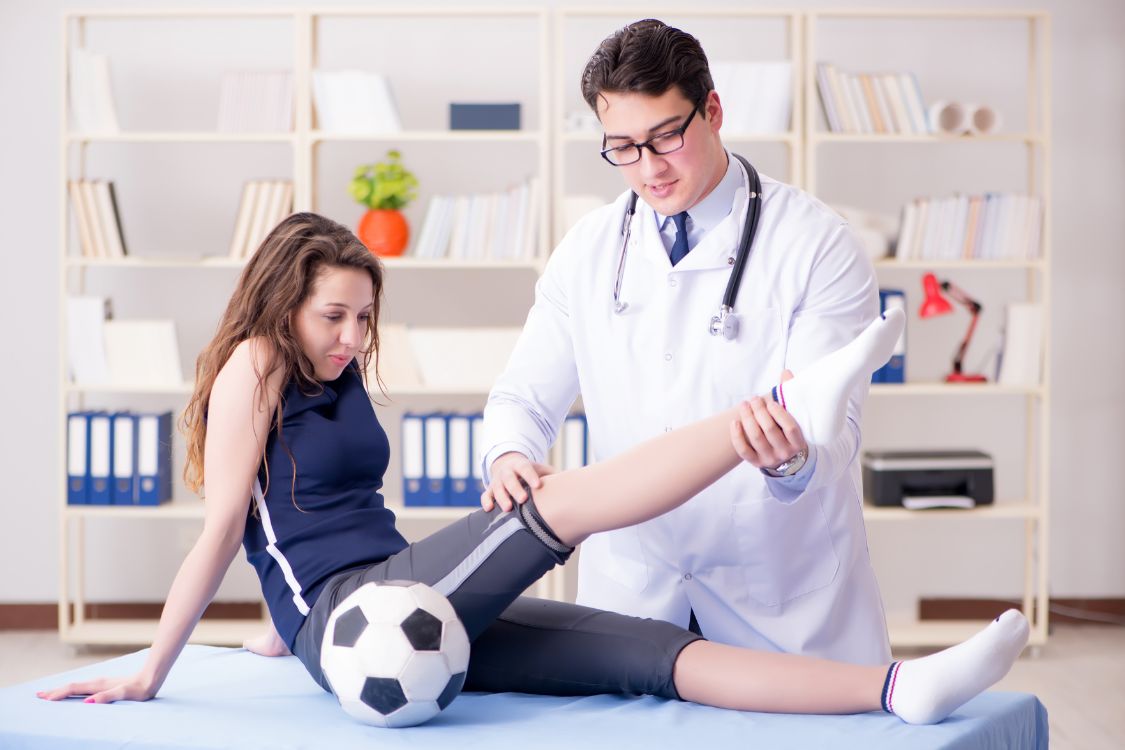
Selecting the ideal sports injury clinic is crucial for effective recovery and prevention of further injuries. Key factors to consider include the clinic’s location, as proximity can ease the logistics of frequent visits, and the range of services offered, which should encompass both traditional and innovative treatment methods. The expertise of physiotherapists and the availability of specialised sports injury specialists are essential, as these professionals provide tailored treatment plans based on individual needs. Additionally, clinics that offer comprehensive assessments and a multidisciplinary approach can enhance recovery outcomes. Ensuring that the clinic stays up-to-date with the latest advancements in sports medicine can also be beneficial for accessing cutting-edge treatments.
- Physiotherapy
- Acupuncture
- Dry Cupping
- Sports Massage
Final Words
Sports injuries present a significant challenge, affecting major joints and disrupting athletic activity.
Recognising symptoms like pain and swelling is vital for effective diagnosis and treatment, often involving RICE and advanced therapies like Shockwave.
Preventative strategies, such as proper warm-ups and protective gear, further minimise risk.
Rehabilitation not only addresses physical recovery but supports the mental journey back to sport.
Choosing the right clinic ensures access to specialised care.
Approaching sports injury with comprehensive understanding fosters resilience and promotes long-term health in athletes.
Sophie is an expert wedding planner who specializes in creating bespoke destination weddings, ensuring every detail from venue selection to decor aligns with the couple’s vision.