

How Deep Tissue Differs from Swedish Massage
While both techniques offer significant health benefits, it is important to understand the distinction between them. Swedish massage is primarily used for relaxation and focuses on the superficial layers of the muscle. In contrast, a deep tissue massage glasgow session is more intensive. The therapist uses their fingers, thumbs, elbows, and forearms to apply concentrated pressure. While this may occasionally cause some mild discomfort during the session, the long-term relief provided for stiff necks, tight shoulders, and lower back pain is often far superior to lighter massage styles.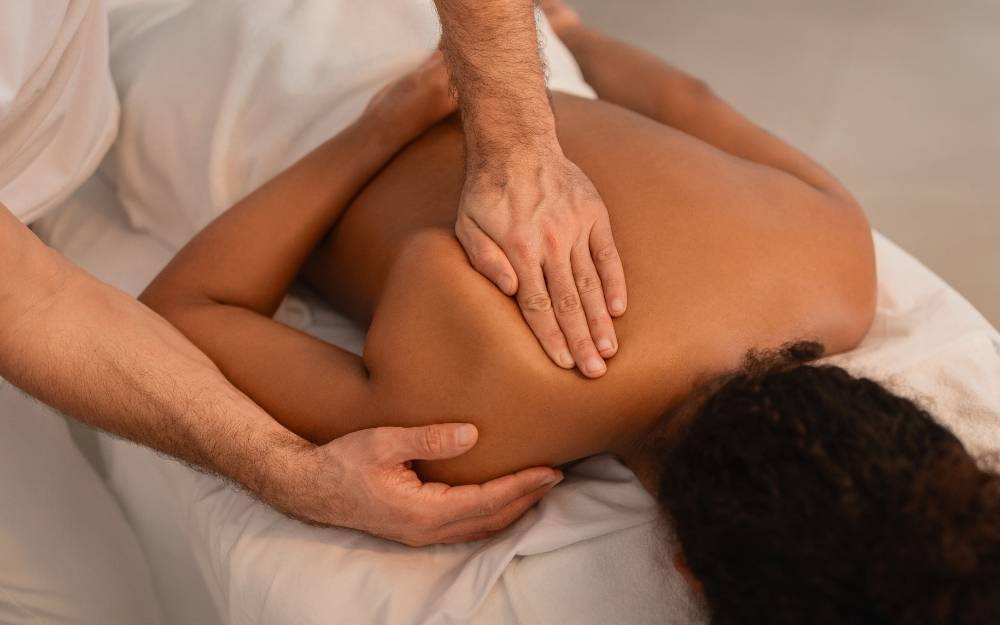
Key Benefits of Choosing Deep Tissue Massage Glasgow
Opting for a professional treatment in Glasgow offers a wide array of physical and mental health advantages. The city’s active population, from hill walkers heading to the nearby Trossachs to those frequenting urban gyms, can all find value in this therapeutic approach. Some of the most significant benefits include:- Reduction in Chronic Pain: By increasing blood flow throughout the body, deep tissue work helps to reduce inflammation that causes pain. It is especially effective for conditions like sciatica, fibromyalgia, and chronic lower back issues.
- Improved Mobility and Flexibility: Over time, muscles can become tight and restrictive. Deep tissue techniques help to lengthen these muscles and break down adhesions, allowing for a greater range of movement.
- Stress and Anxiety Management: While the pressure is firm, the physiological response often involves the release of oxytocin and serotonin, which help to lower cortisol levels and promote a sense of well-being.
- Lowering Blood Pressure: Studies have shown that deep tissue massage can help reduce systolic, diastolic, and arterial blood pressure by easing tension and promoting better circulation.
- Breaking Down Scar Tissue: For those recovering from surgeries or old sports injuries, this therapy is vital for breaking down internal scarring and improving lymphatic drainage.
Addressing Chronic Pain and Sports Injuries
For many athletes in Glasgow, maintaining peak physical condition is a priority. However, repetitive strain and high-intensity training can lead to “knots” or adhesions in the fascia. These are bands of painful, rigid tissue that can inhibit circulation and cause pain, limited movement, and inflammation. A targeted deep tissue massage glasgow focuses on these specific problem areas. By physically breaking down these adhesions, the therapist helps restore normal movement and relieves the pressure on nerves and joints. It is not just athletes who suffer, however. The “tech neck” phenomenon caused by leaning over smartphones and computers has led to a surge in upper back and neck issues among Glasgow’s office workers. Deep tissue massage works to realign the postural muscles that have become shortened or weakened by poor ergonomics. By addressing the pectoral muscles and the deep extensors of the neck, therapists can help clients stand taller and move with significantly less discomfort.Improving Posture and Flexibility
Posture is more than just how you stand; it affects how your internal organs function and how your body distributes weight. When certain muscle groups become chronically tight, they pull the skeleton out of alignment. A skilled therapist providing deep tissue massage glasgow can identify these imbalances. Through consistent treatment, the connective tissue becomes more pliable, allowing the body to return to its natural, healthy state. This is particularly beneficial for those who find themselves stiffening up after long commutes or flights.What to Expect During Your Professional Treatment
If you are new to this type of therapy, it is helpful to know what happens during a typical session. Unlike a general massage, the focus is often on specific areas of concern rather than the whole body, though a full-body approach can be used to ensure overall balance. Here is what you can generally expect:- Detailed Consultation: Your therapist will begin by asking about your medical history, any specific areas of pain, and your goals for the session, whether that is injury recovery or general maintenance.
- The Warm-up Phase: The session usually starts with lighter pressure to warm up the superficial muscles and prepare them for deeper work.
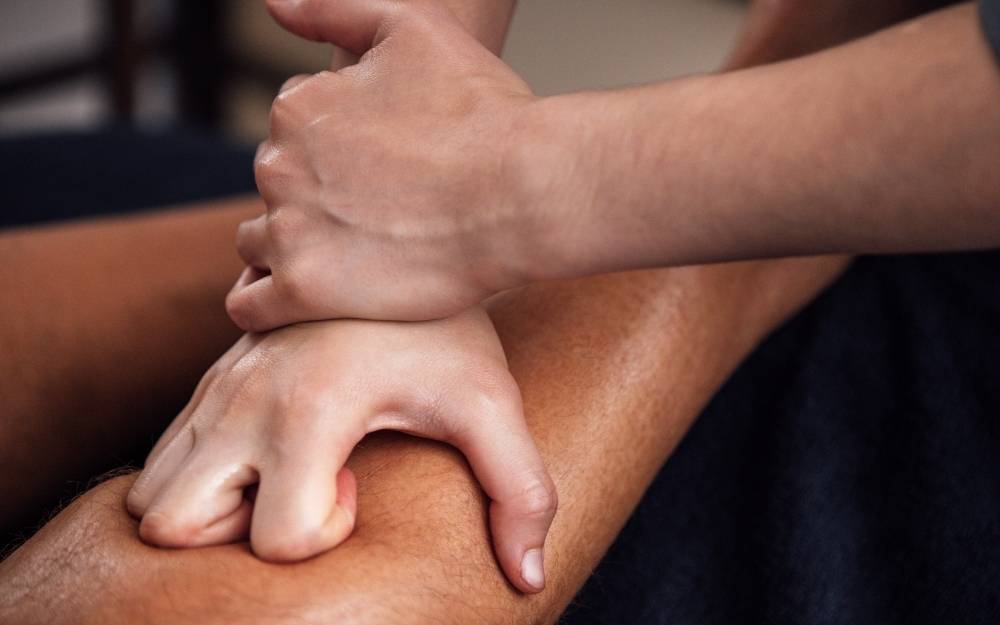
- Concentrated Pressure: Once the muscles are ready, the therapist will use various techniques to reach the deeper layers. You will be encouraged to breathe deeply to help the muscles relax under the pressure.
- Communication: Your therapist will check in with you regarding the pressure levels. It is important to provide feedback if the sensation is too intense, though a “good pain” or a feeling of productive release is common.
Post Treatment Care and Long Term Wellness
To get the most out of your deep tissue massage glasgow, aftercare is essential. Because the treatment stimulates the muscles and moves metabolic waste products into the lymphatic system, you may feel some soreness for 24 to 48 hours following the appointment. This is a normal part of the healing process as the body adjusts to the changes made during the session. To maximise the results and ensure a smooth recovery, consider the following tips:- Hydrate Well: Drinking plenty of water helps the kidneys process the toxins released from the muscles and keeps the tissues hydrated and supple.
- Gentle Stretching: Incorporating light, controlled stretching can help maintain the length and flexibility achieved during the massage.
- Apply Heat or Ice: If you experience significant soreness, a warm bath with Epsom salts or a cold pack on specific inflamed areas can provide relief.
- Rest and Recovery: Avoid high-intensity workouts immediately after a deep tissue session. Give your body the time it needs to integrate the structural changes.

Sophie is an expert wedding planner who specializes in creating bespoke destination weddings, ensuring every detail from venue selection to decor aligns with the couple’s vision.